Passiflora 'Stefano Capitanio' ®
M. Vecchia (2012)


GEOGRAPHICAL DISTRIBUTION OR ORIGIN:
P. 'Fata Confetto' x P. edmundoi (pink form).
Hybrid of horticultural origin
CRITICAL MINIMUM TEMPERATURE: 2 °C
IDEAL MINIMUM TEMPERATURE: 10 °C
ETYMOLOGY: Dedicated to the late Vivaista Stefano Capitanio.
DESCRIPTION:
This hybrid is officially registered with the Passiflora Society International under number 279.
The name was chosen in 2012, during my participation as a speaker at the event “IV Giornata Nazionale del Vivaismo Mediterraneo, il colore in giardino”, held at Vivai Capitanio in Monopoli. The event was also a tribute to Stefano Capitanio, founder of the nursery and a respected figure in the horticultural field, who had passed away unexpectedly a few years earlier. After giving a presentation titled The Genus Passiflora: species and hybrids suitable for the Mediterranean climate, I was asked to dedicate a hybrid to his memory. Soon after, a new cross in my collection opened its first flower: Passiflora ‘Stefano Capitanio’ was born.
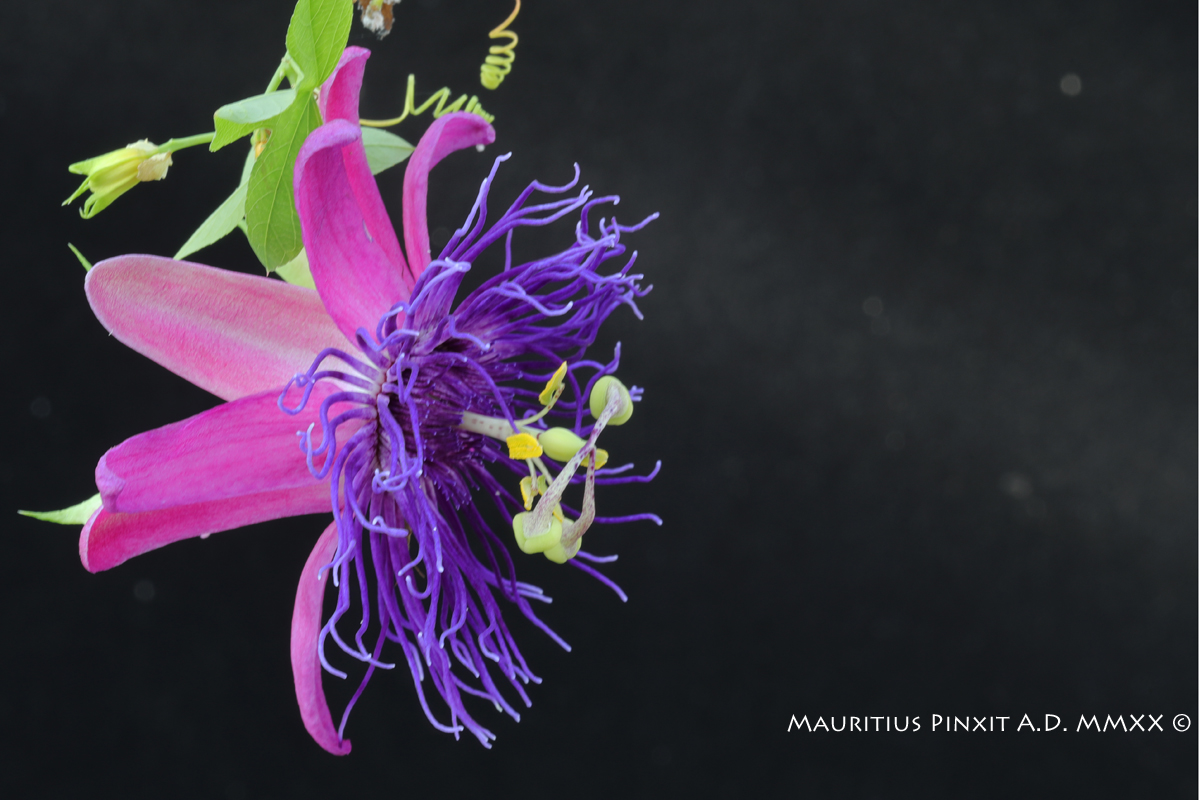
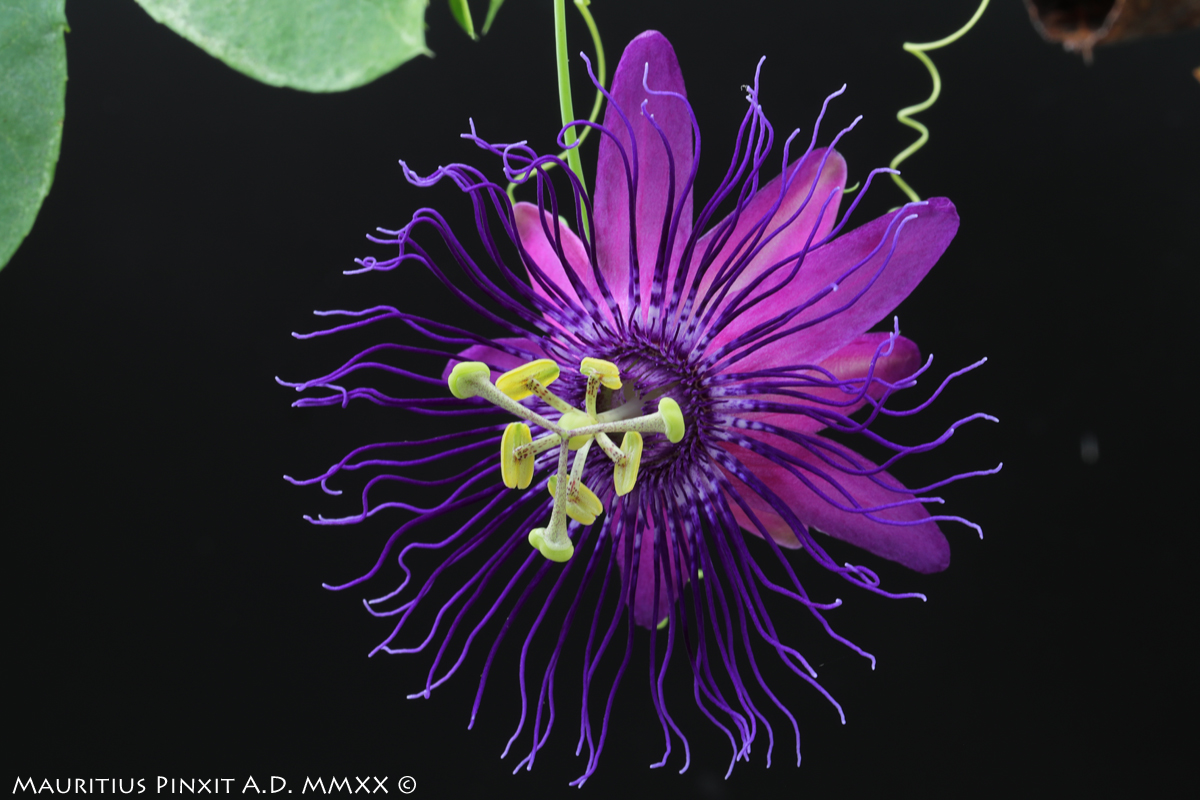
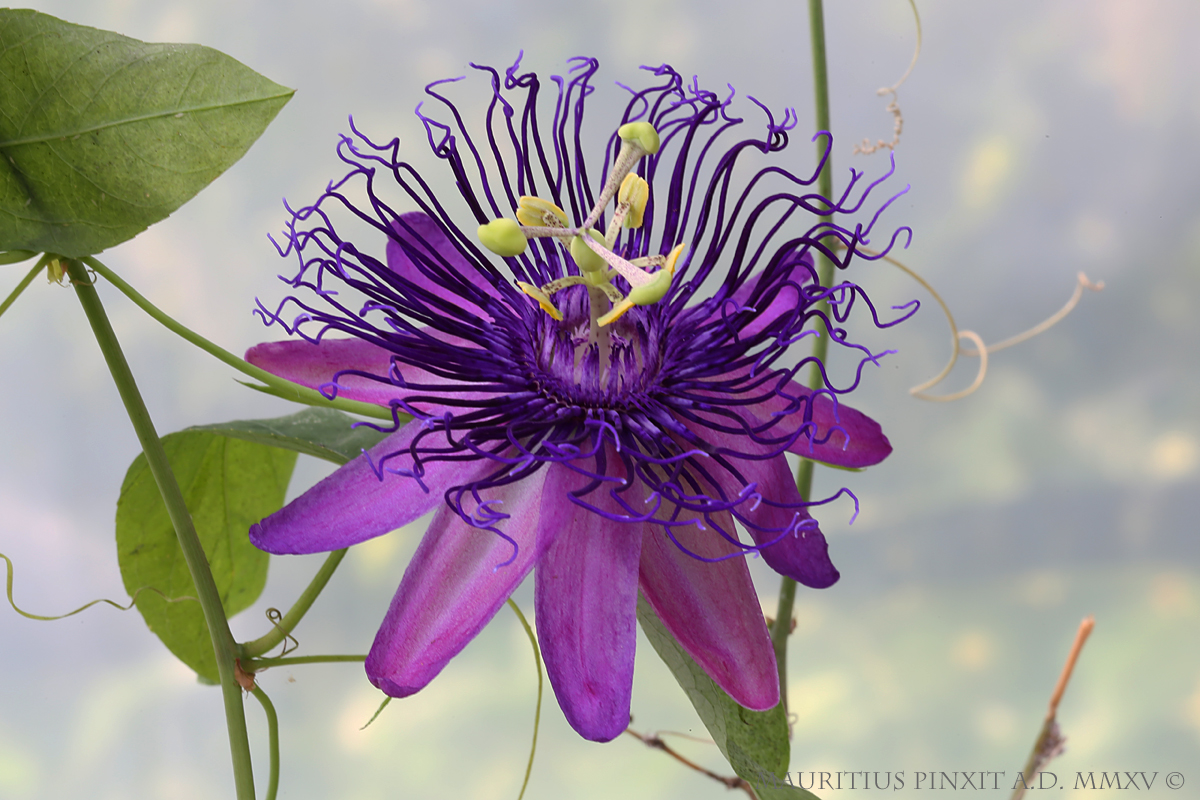
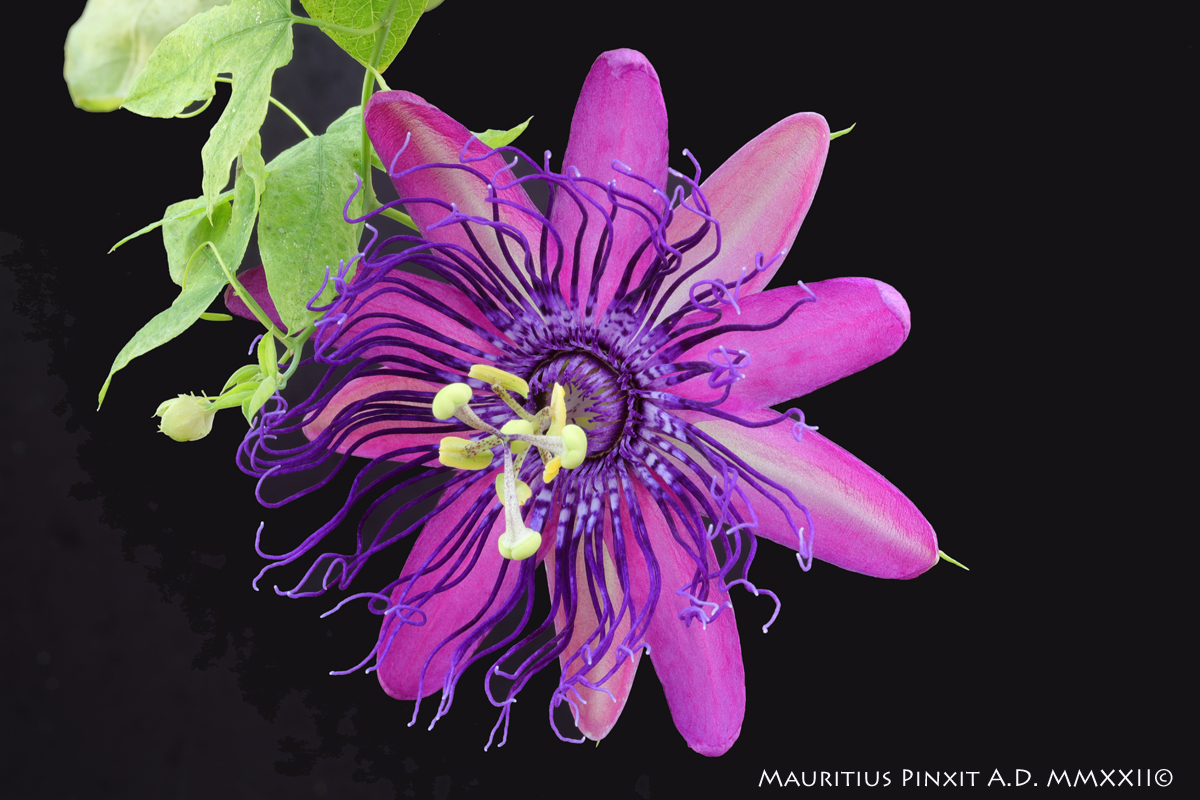
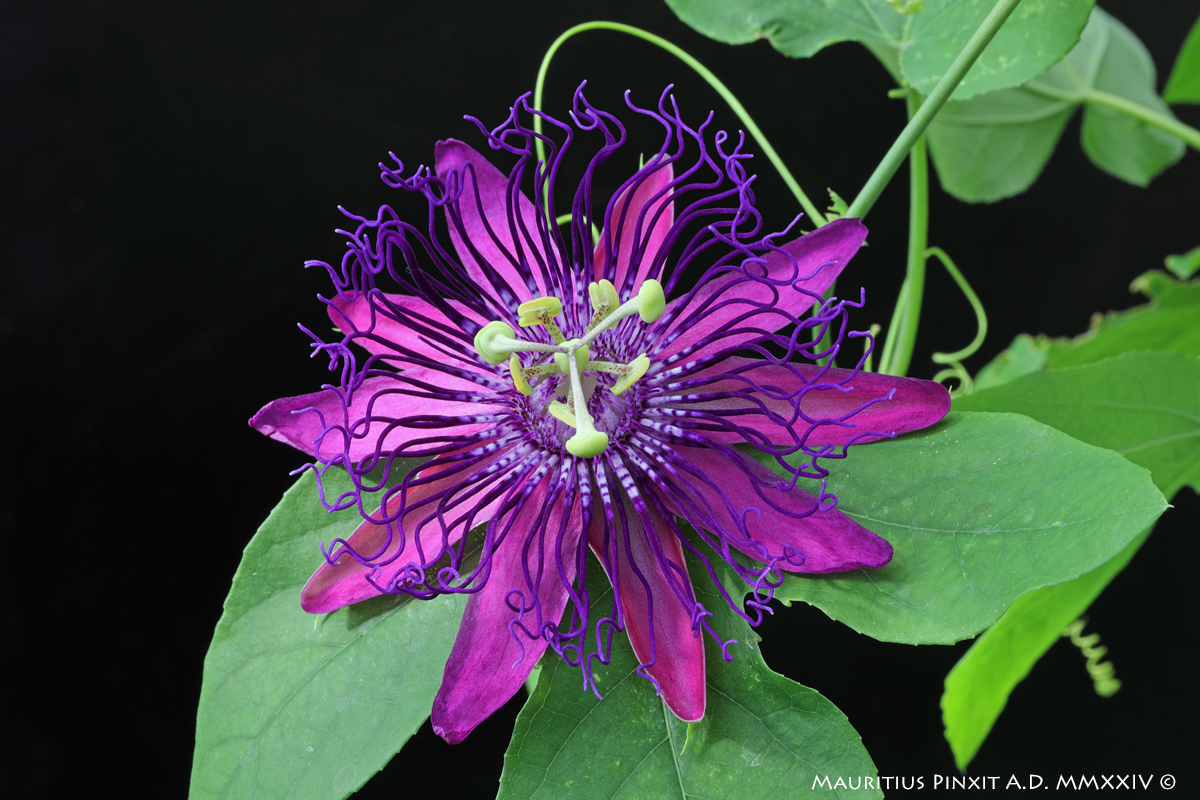
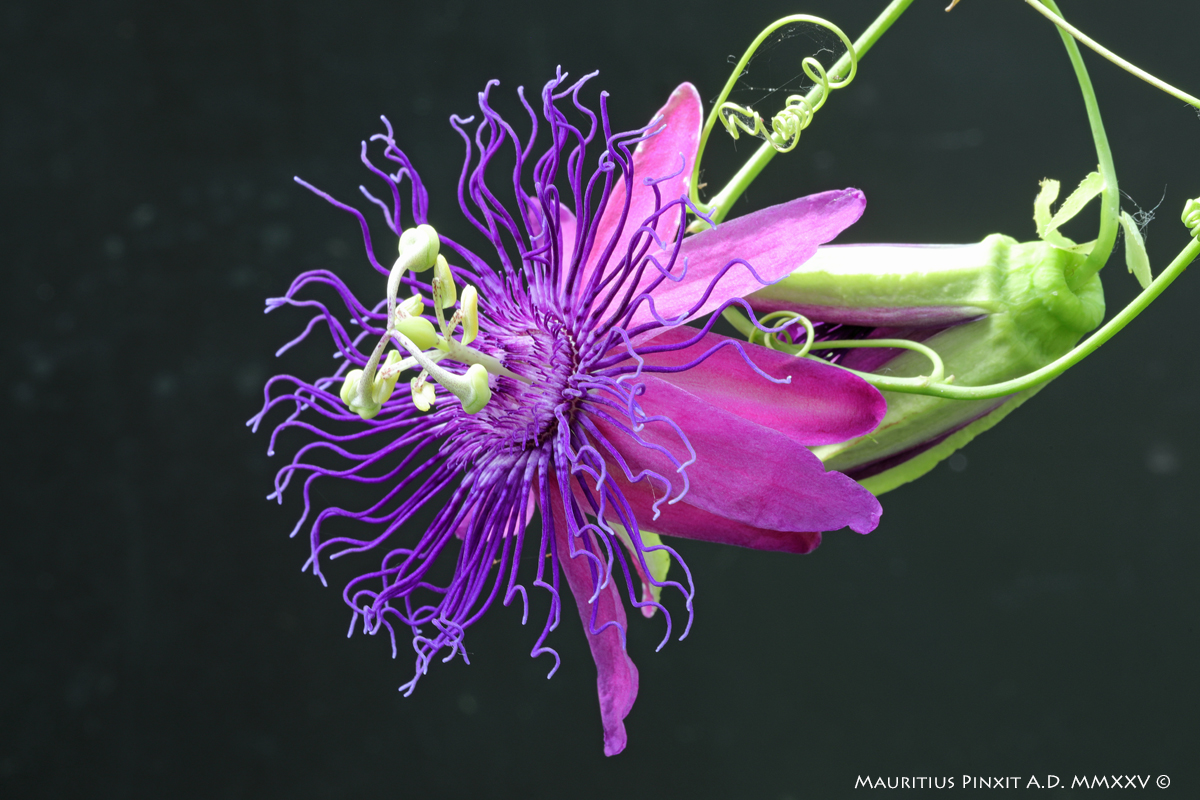
It is one of my most successful hybrids, both for the overall balance of the plant and for the beauty of the flower itself. The petals and sepals, in a deep magenta with cyan highlights, surround a striking, wide and airy corona composed of curled, wavy filaments in rich violet tones. The result is a generous and unmistakable bloom.
This is a complex hybrid, the result of a cross between Passiflora ‘Fata Confetto’ and a pink-flowered form of Passiflora edmundoi. It therefore carries the genetic heritage of four different species: (P. incarnata × P. tucumanensis × P. cincinnata) × P. edmundoi.
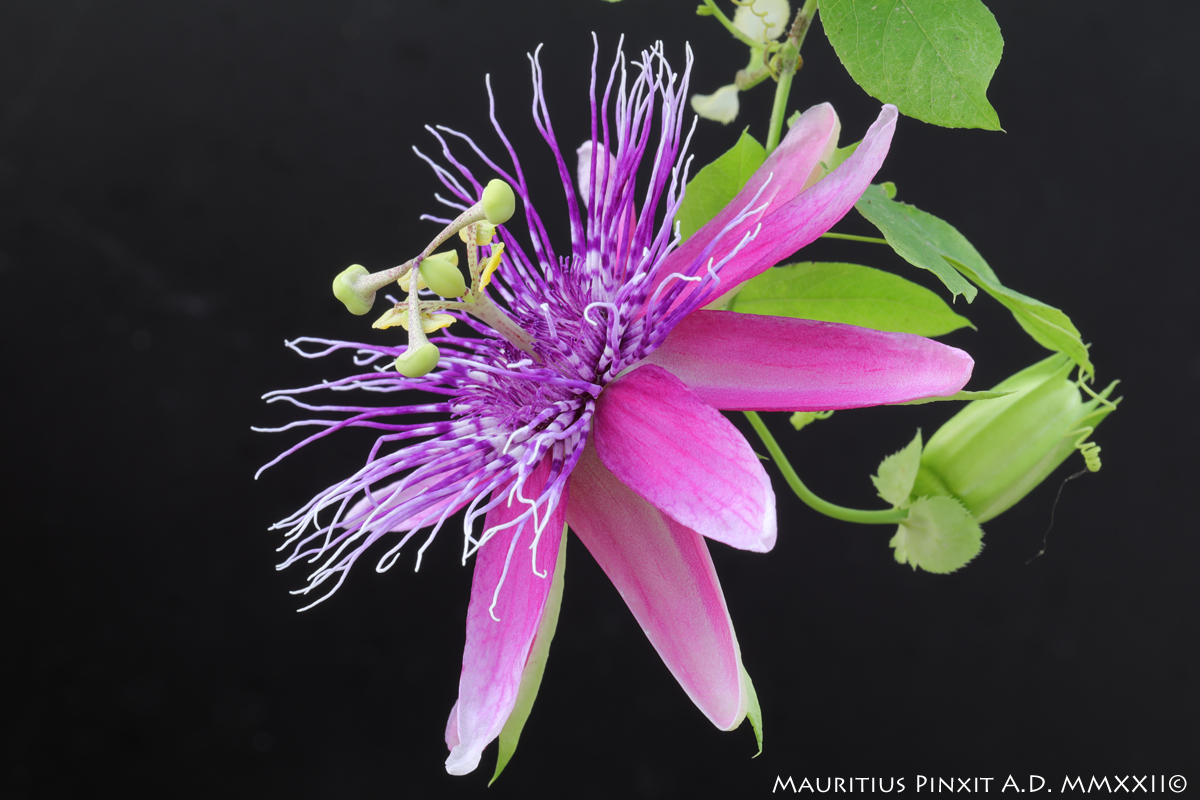
The pollen parent, P. edmundoi, introduced the intense magenta coloration to the petals and sepals, and reduced the number of white bands in the corona filaments originally seen in P. ‘Fata Confetto’. The bands are sometimes barely visible and tend to concentrate at the center of the flower, varying not only between plants but even on different flowers of the same specimen.
This variability has led to some confusion, with different names being attributed to what is in fact the same plant. In reality, the flower's appearance shifts according to environmental conditions.
I investigated this phenomenon thoroughly, with the help of a friend who is a molecular biologist. He confirmed that floral pigment expression is affected by temperature: cool conditions tend to intensify colors, while heat reduces them. The pH of the substrate can also play a role. In my greenhouse, with a slightly acidic substrate, I have observed darker flowers in late summer, especially when night temperatures drop below 20 °C.
As an example, I documented two flowers from the same plant: one photographed on May 16, 2023, during a cool spell, and the other on June 30, 2023, during a heatwave. The differences are striking and clearly show how environment influences flower morphology.
Over the years, I have produced several other hybrids from the same parentage (P. ‘Fata Confetto’ × P. edmundoi), such as Passiflora ‘Fata del Mare’ (now lost) and the more recent Passiflora ‘Fata Violetta’. None of these, however, reproduced the specific traits and unique floral harmony of Passiflora ‘Stefano Capitanio’. The genetic complexity of this cross, involving four different species, makes it highly unlikely for two seeds to yield identical results. Each hybridization shuffles thousands of genes in unpredictable and unrepeatable ways.
In recent years, the same plant has occasionally appeared under a different name. Some images, nursery listings, and social media posts show identical flowers labeled with an alternate designation. Molecular analysis performed by a biologist confirmed that they are genetically identical. Moreover, the original photographic documentation of Passiflora ‘Stefano Capitanio’ predates by at least two years those associated with the other name.
The mother plant, P. ‘Fata Confetto’, is notable for its cold tolerance, inherited from P. incarnata and P. tucumanensis, both hardy, suckering species. The inclusion of P. cincinnata did not reduce this resilience—on the contrary, it strengthened it. P. cincinnata occurs over a vast geographical range, from subtropical Argentina to more equatorial regions. It is well known that some tropical species retained cold resistance acquired during glacial periods, even as climates gradually warmed.
In short, Passiflora ‘Stefano Capitanio’ combines vigor, hardiness, and a strikingly beautiful bloom. It is a reliable, generous plant with a well-documented history and a clearly defined origin.
TIMELAPSE: